

The Leu Judaica Collection
A Legacy of Jewish History.
“Many collections begin with passion. Few leave a lasting legacy.”
The Leu Judaica Collection is the result of nearly three decades of dedicated collecting, scholarly curiosity, and a profound connection to Jewish history. Since the mid-1990s, this exceptional collection has been assembled with patience, foresight, and an uncompromising commitment to quality. Each object was selected with the utmost care – not only for its rarity or condition, but above all for its historical significance, provenance, and importance to Jewish cultural history.
The collector has deliberately chosen to remain in the background, guided by the conviction that the focus should be on the history itself, not on the person who assembled it. His hope is that the collection will continue to have an impact through scholarly research, publication, and its future owners – as a source of new knowledge, an inspiration to collectors, and a contribution to the study of Jewish cultural heritage.
The Leu Judaica Collection ranks among the most important collections of Jewish coins and medals ever offered publicly. Its distinction lies not only in its scope and the quality of its pieces, but above all in its remarkable coherence, systematic structure, meticulously documented provenances, and consistent curatorial vision. For many years, the collection received scholarly guidance from an internationally recognized specialist in ancient numismatics, with one clear objective: to trace roughly two and a half millennia of Jewish history through numismatic evidence as comprehensively and at as high a scholarly level as possible.
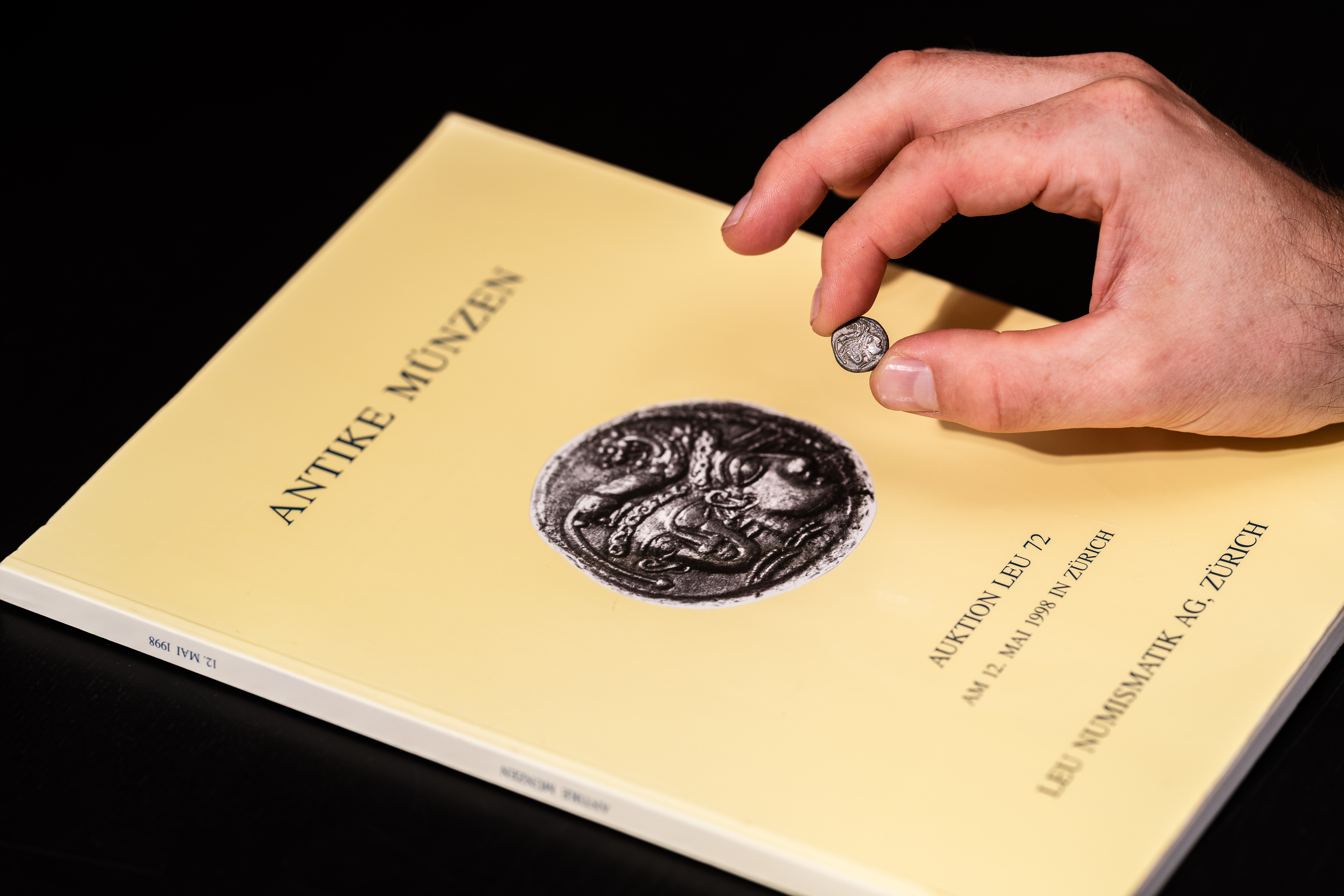
Nearly all objects come from major auctions or renowned private collections. Many have been published in standard numismatic references and serve as reference specimens for their types. Their meticulously documented provenances and exceptional condition give the collection particular scholarly value.
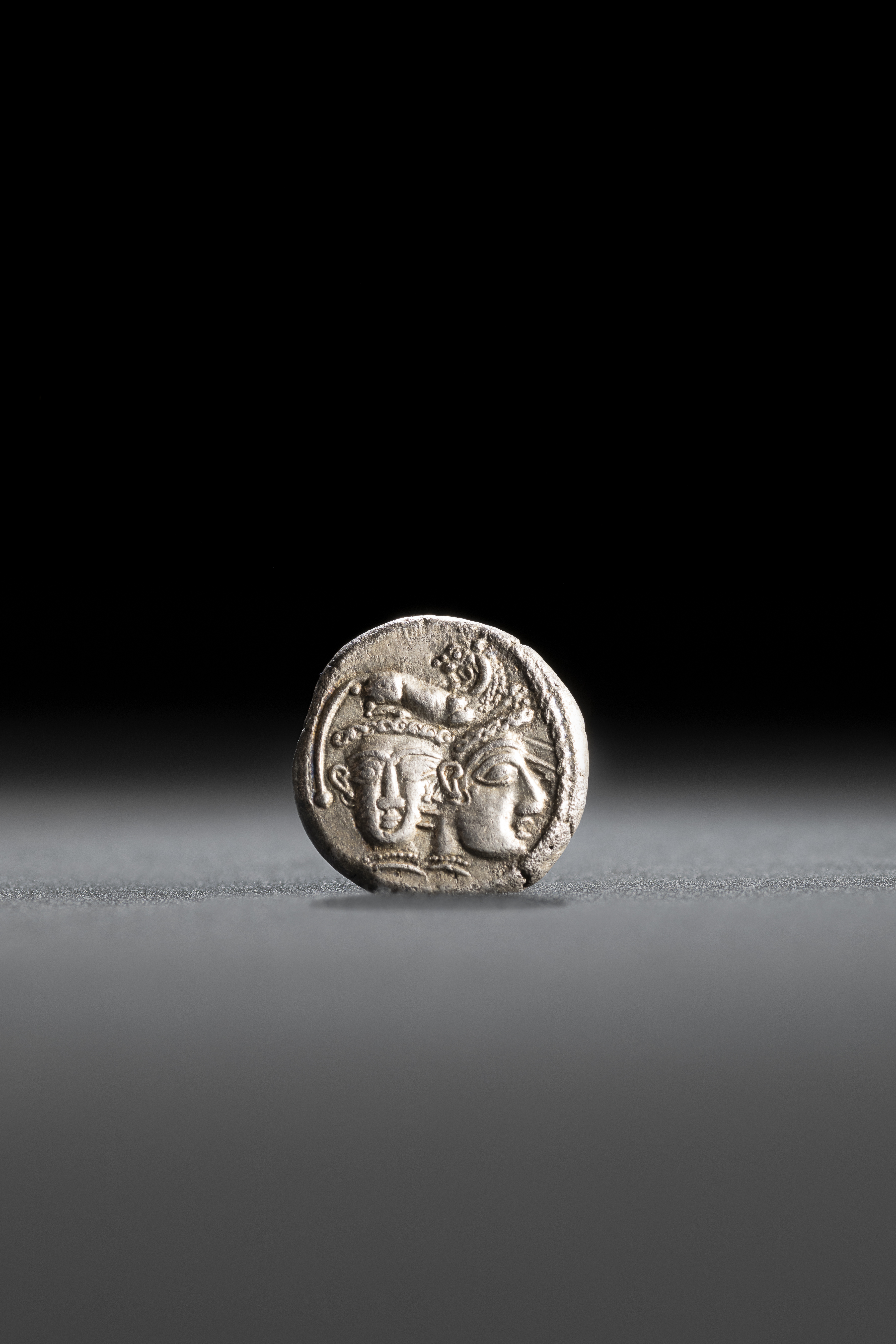
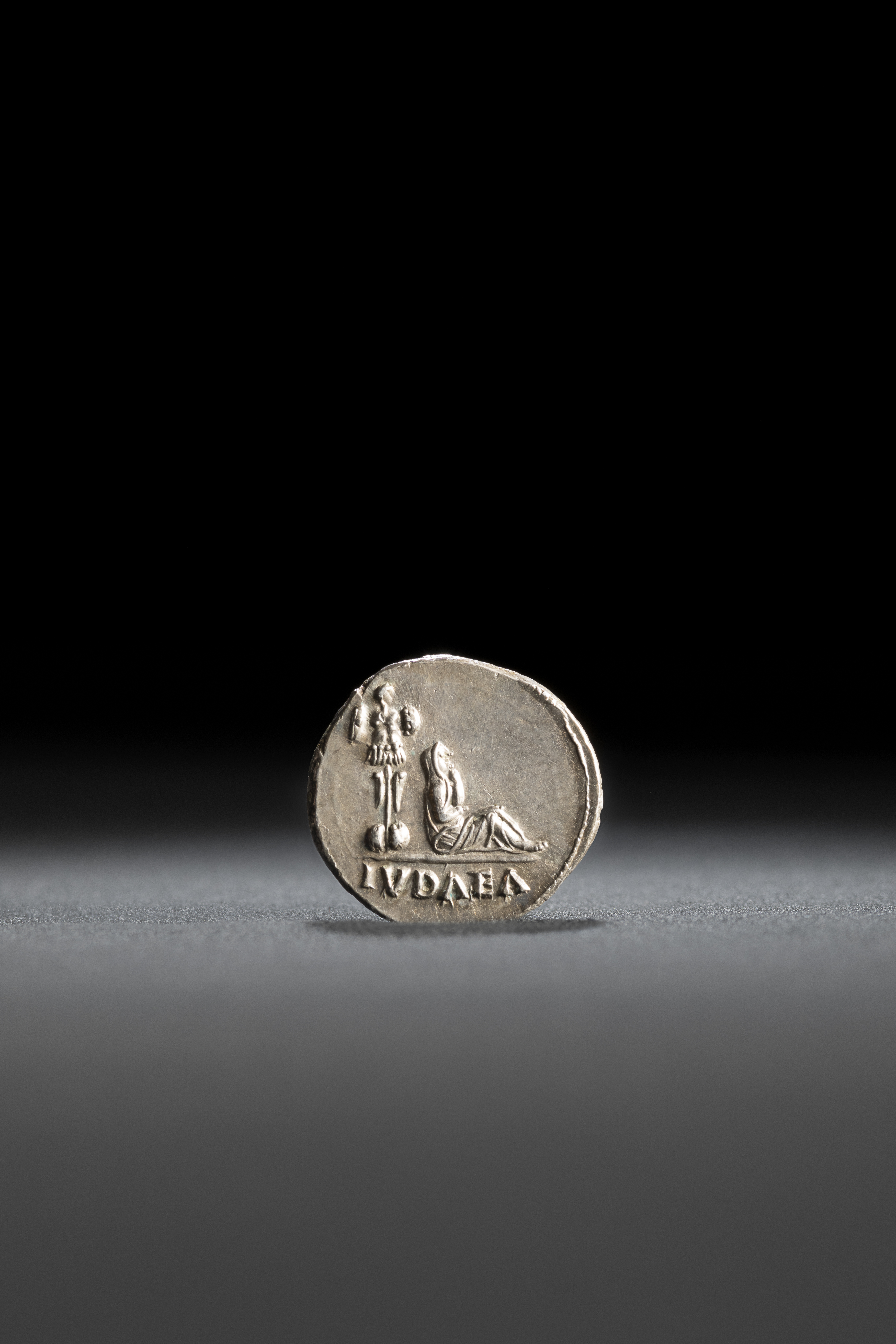
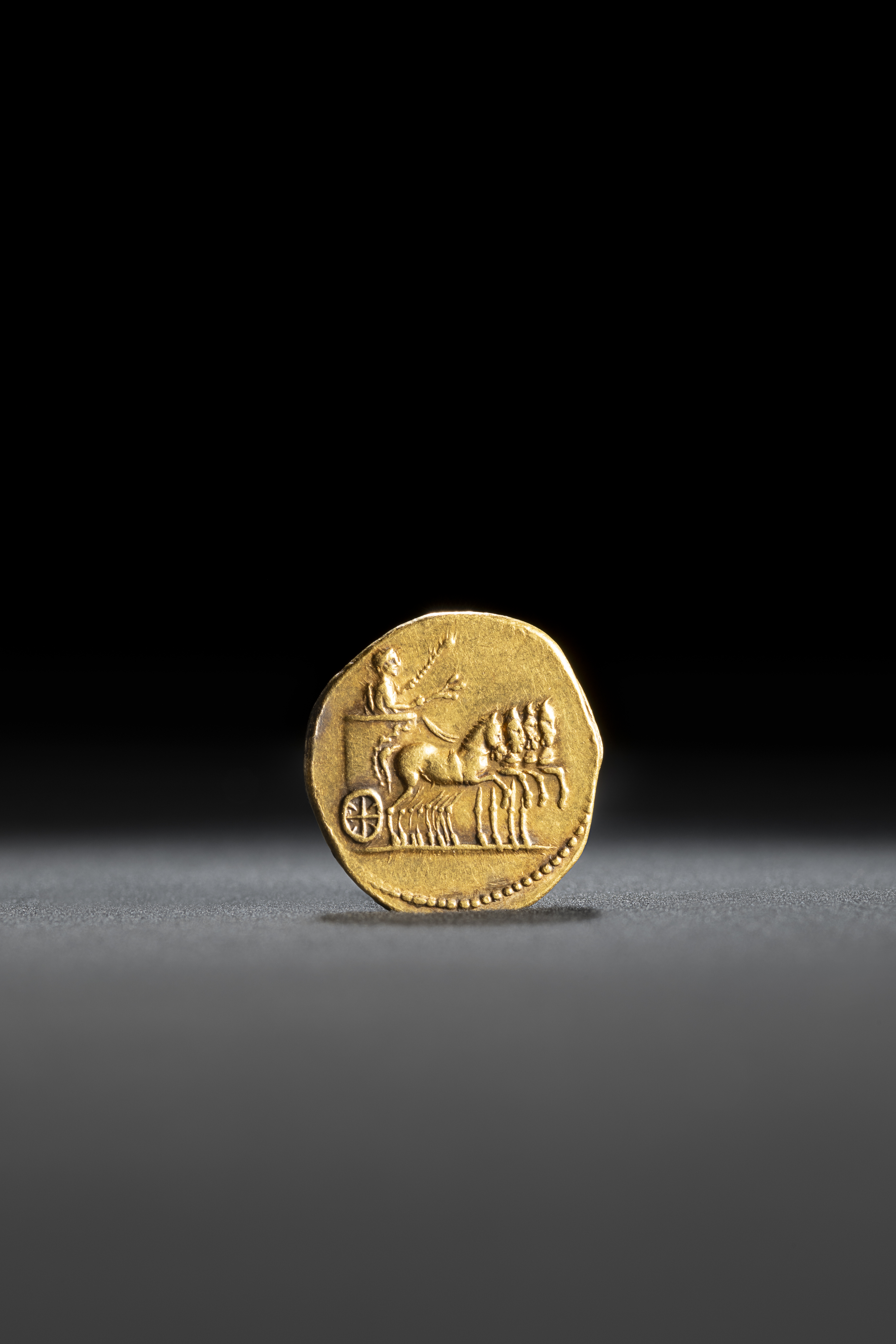
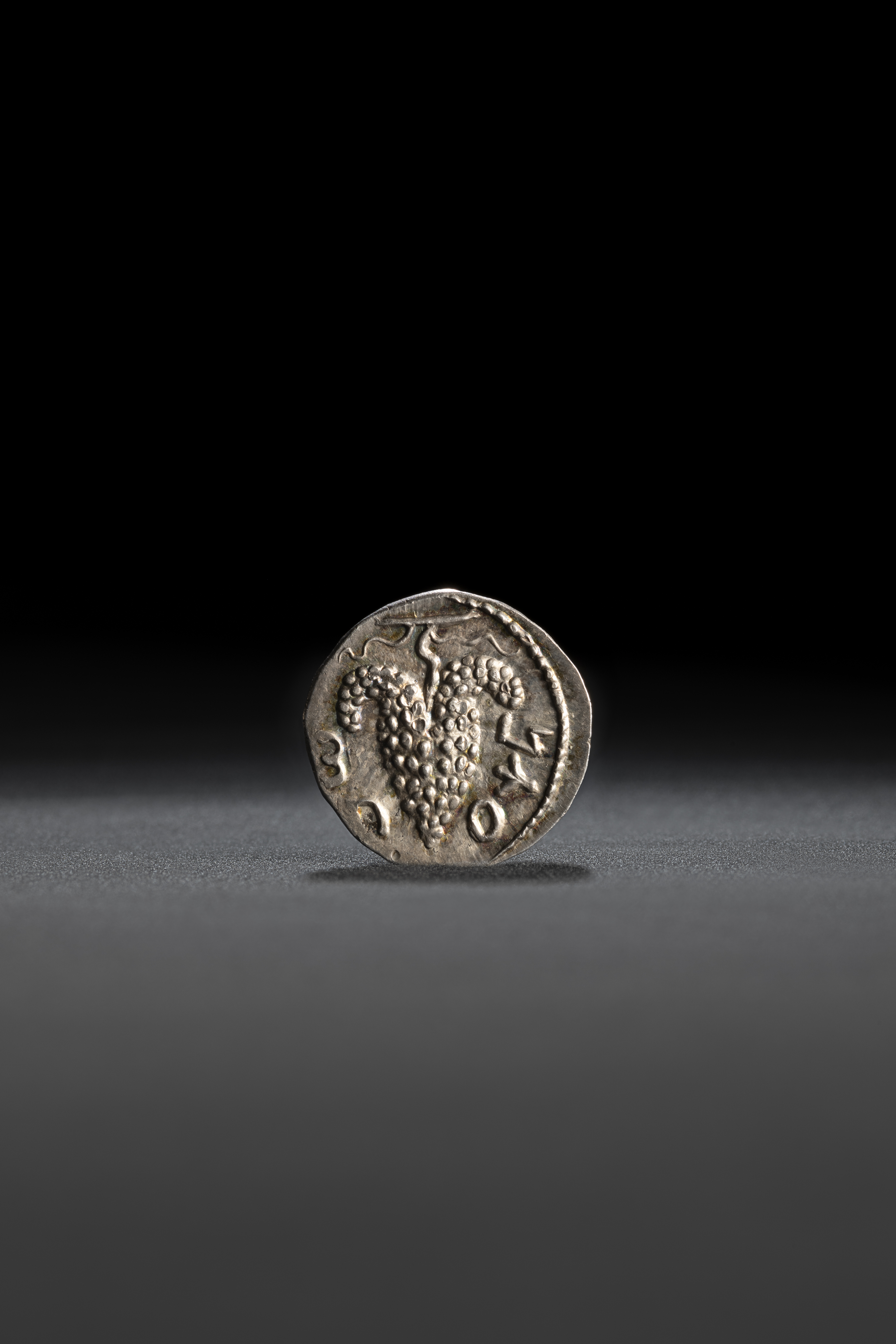
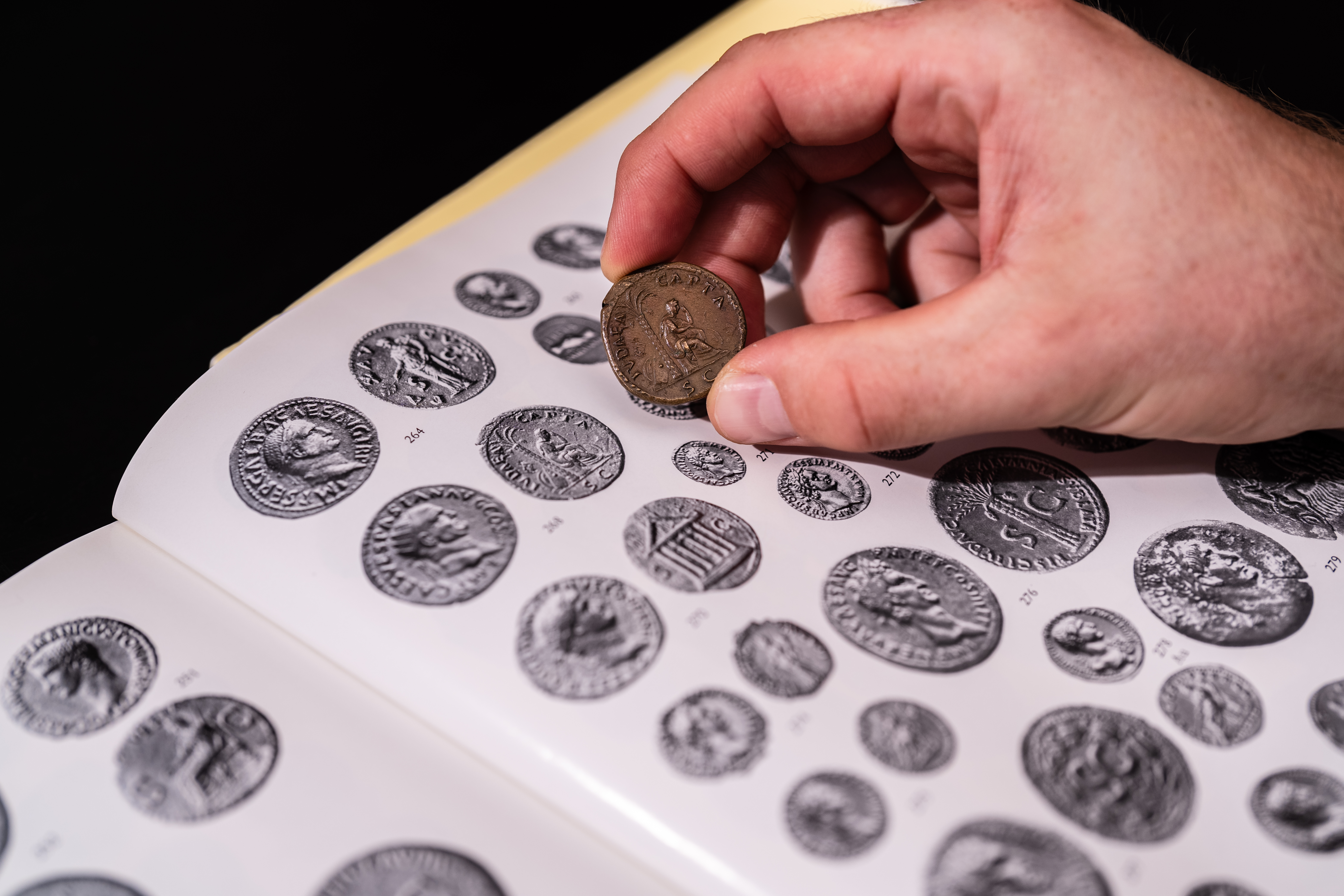
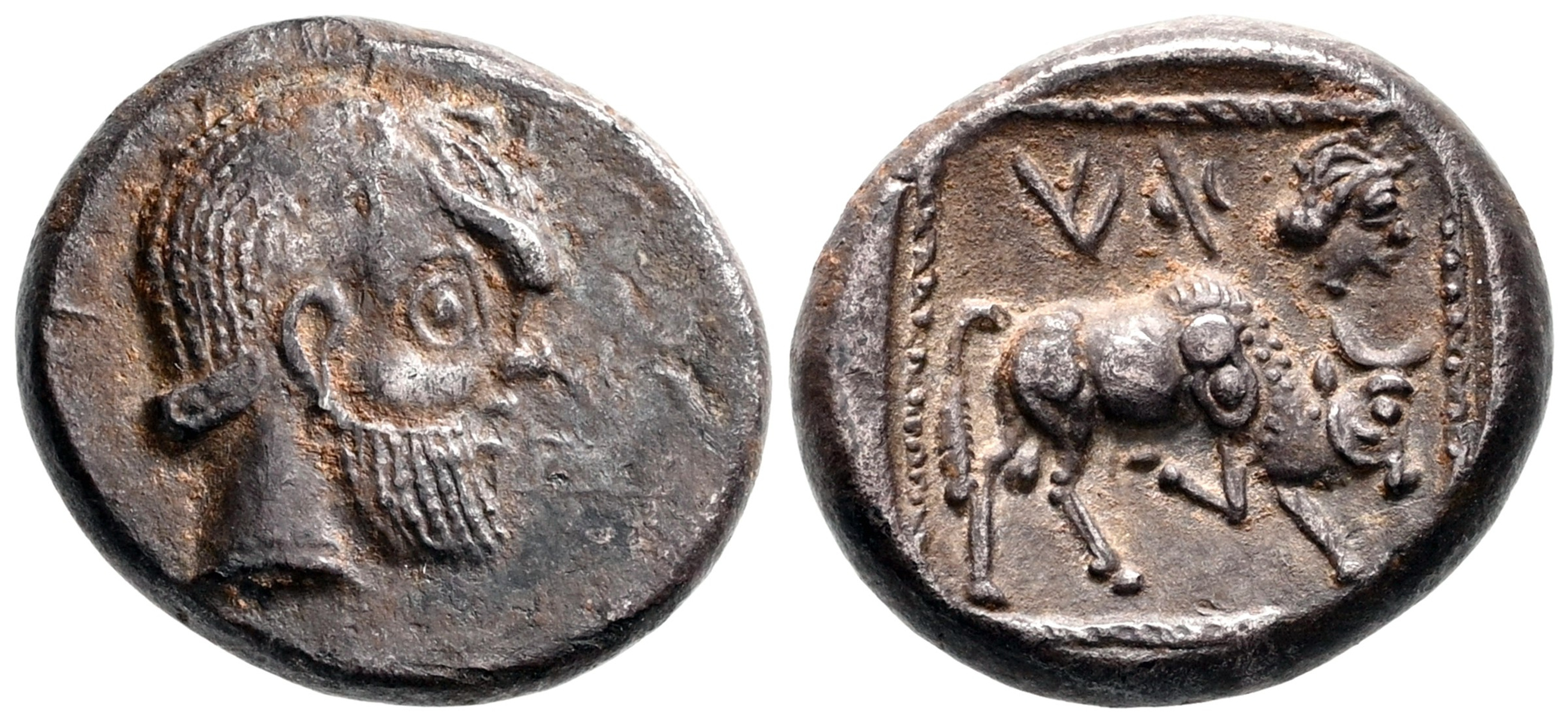
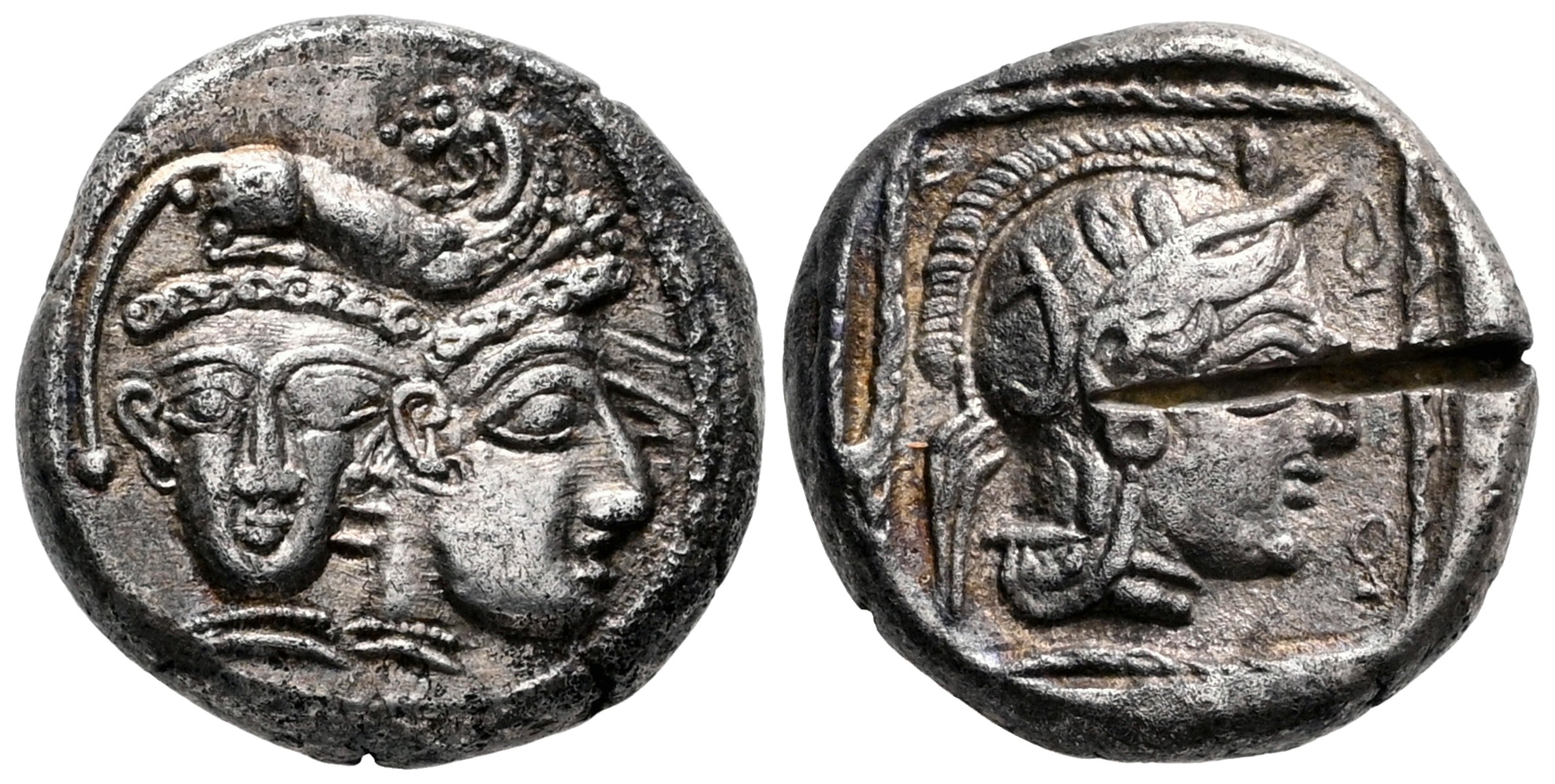
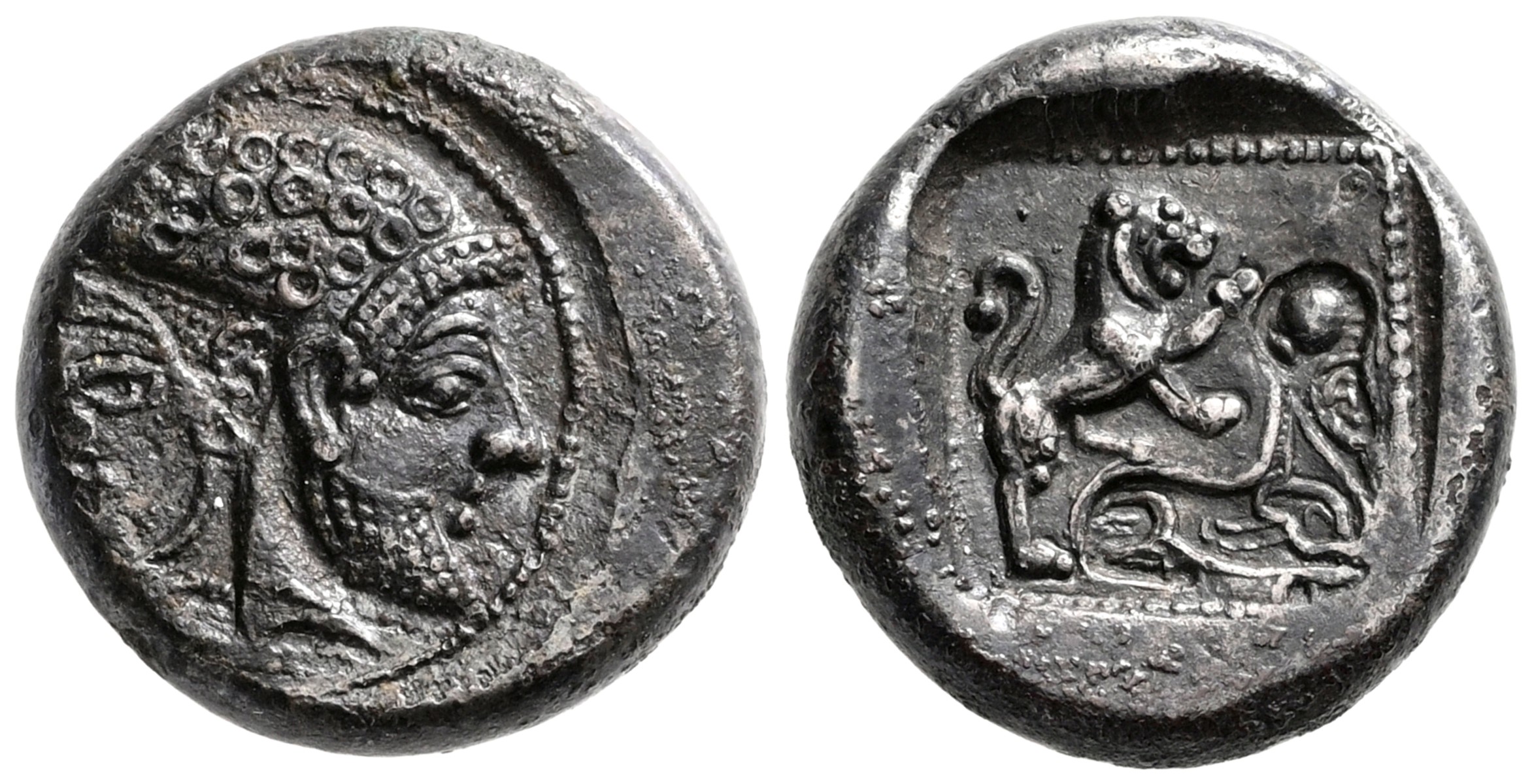
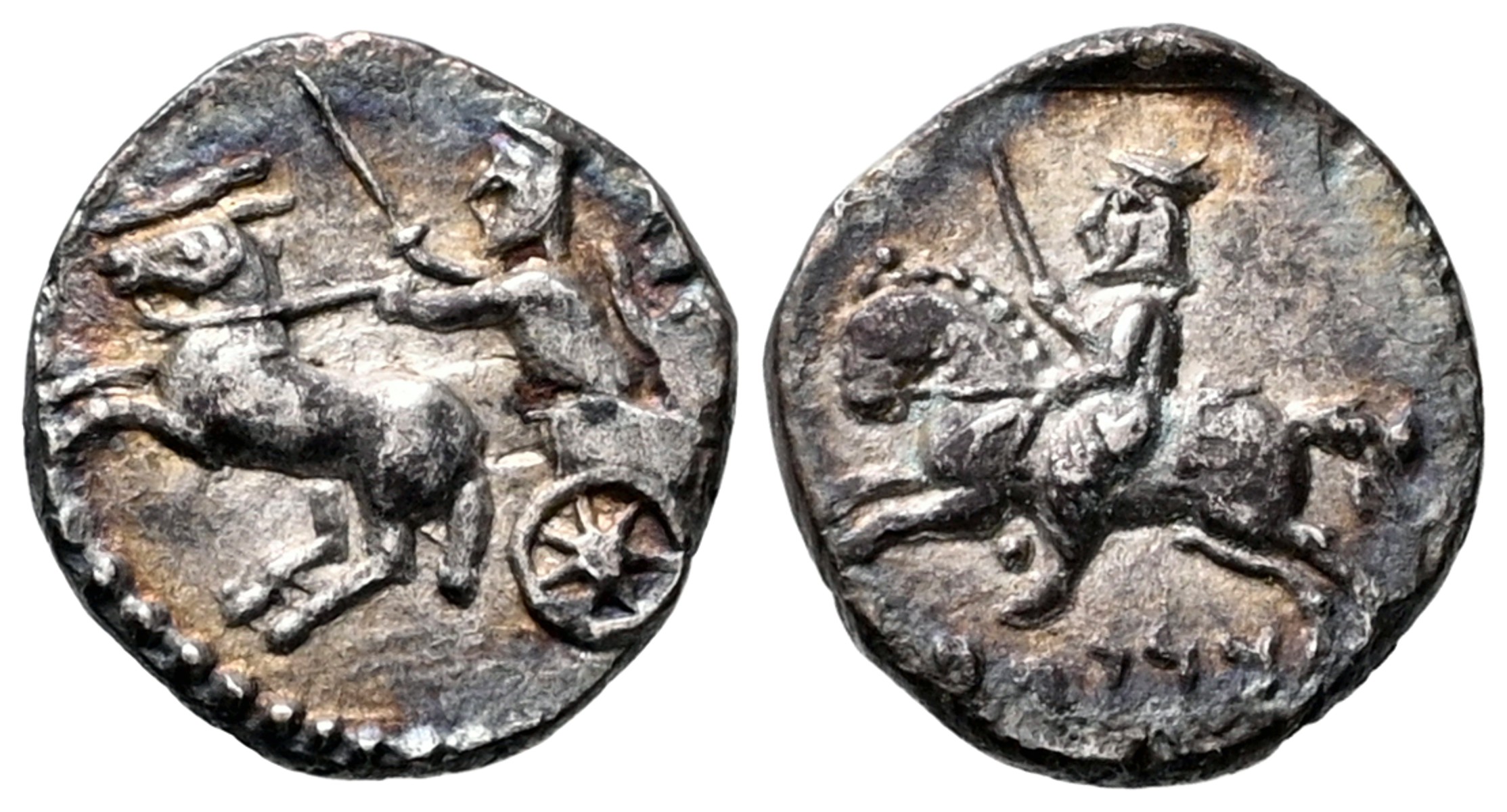
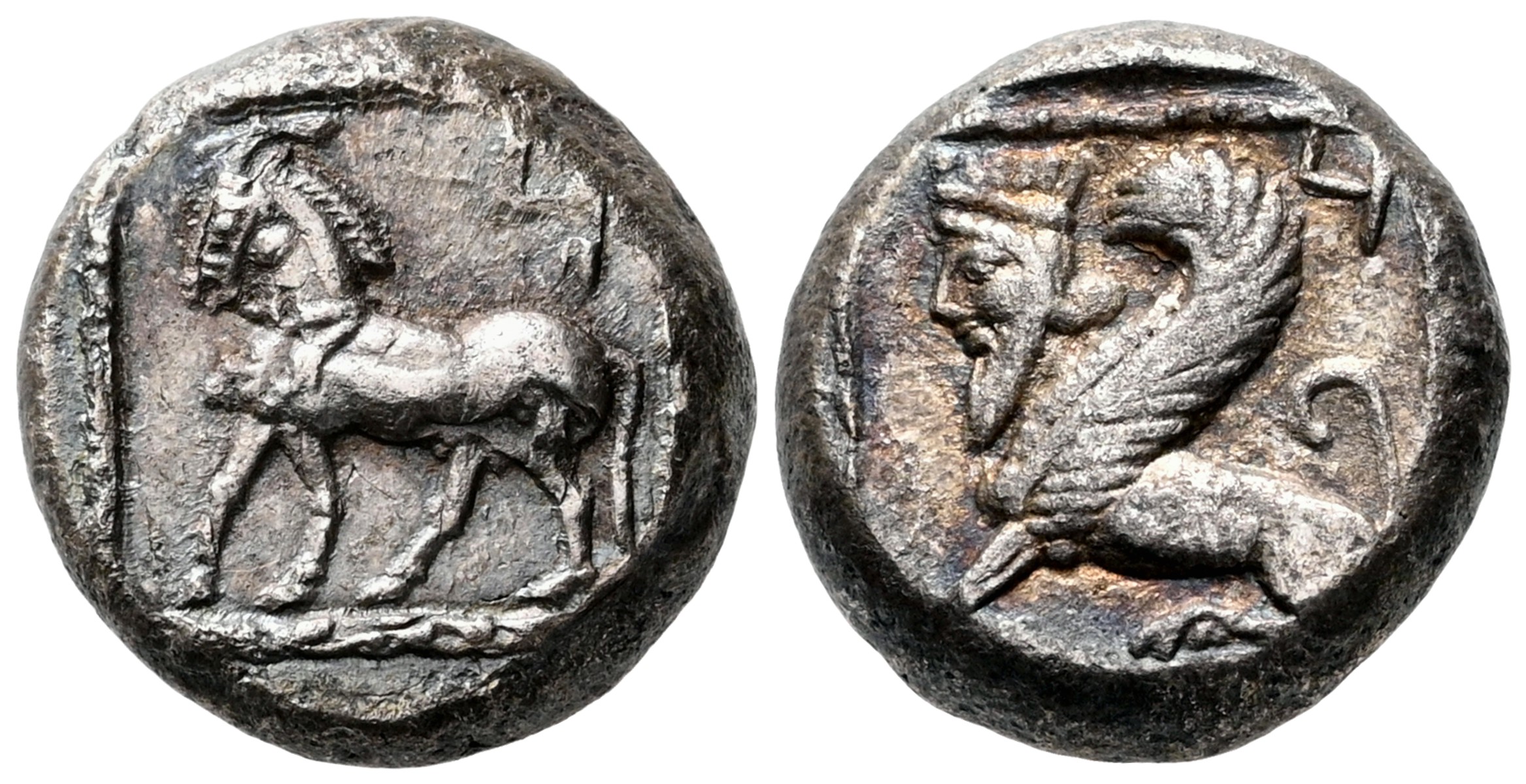
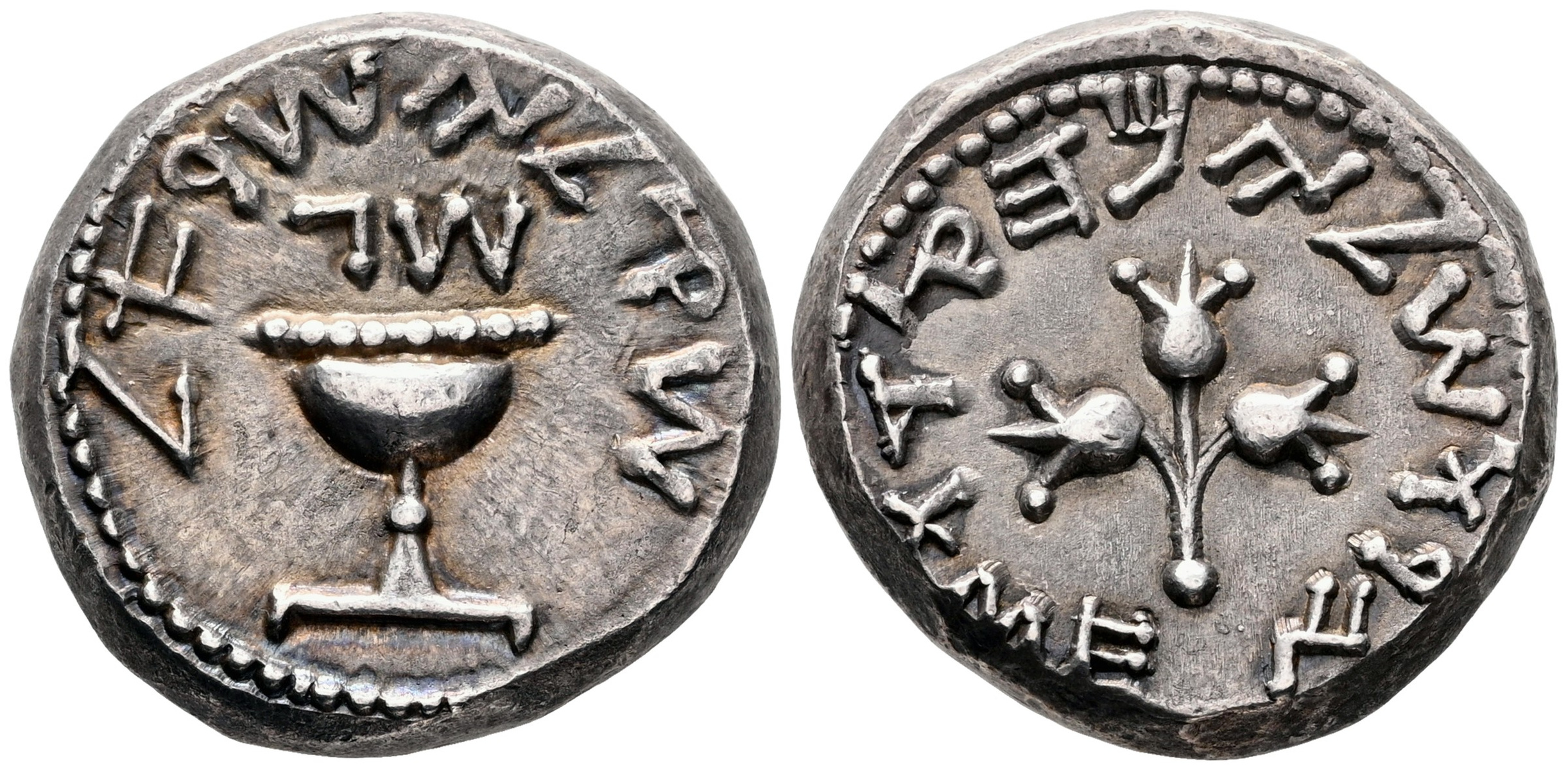
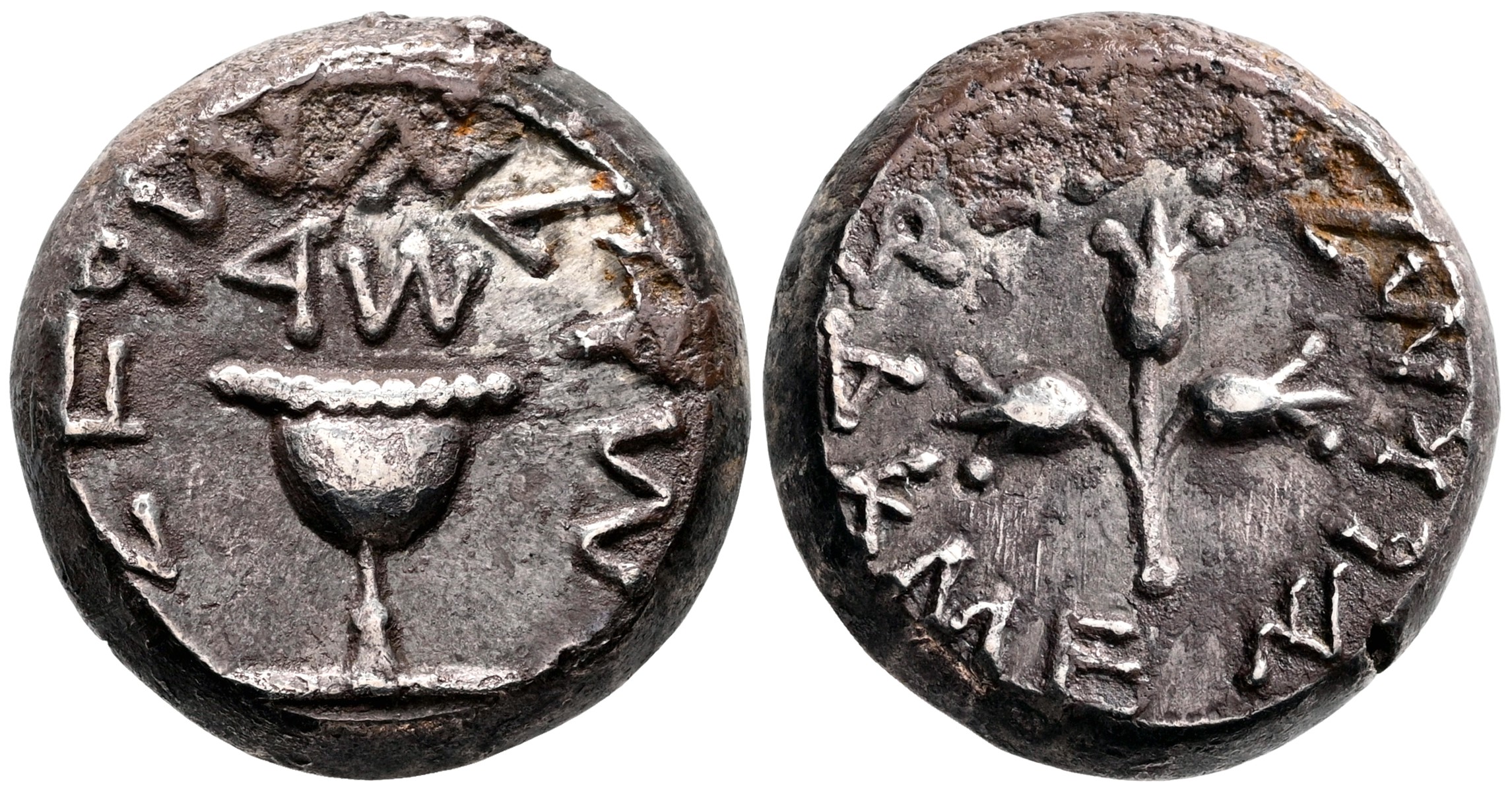
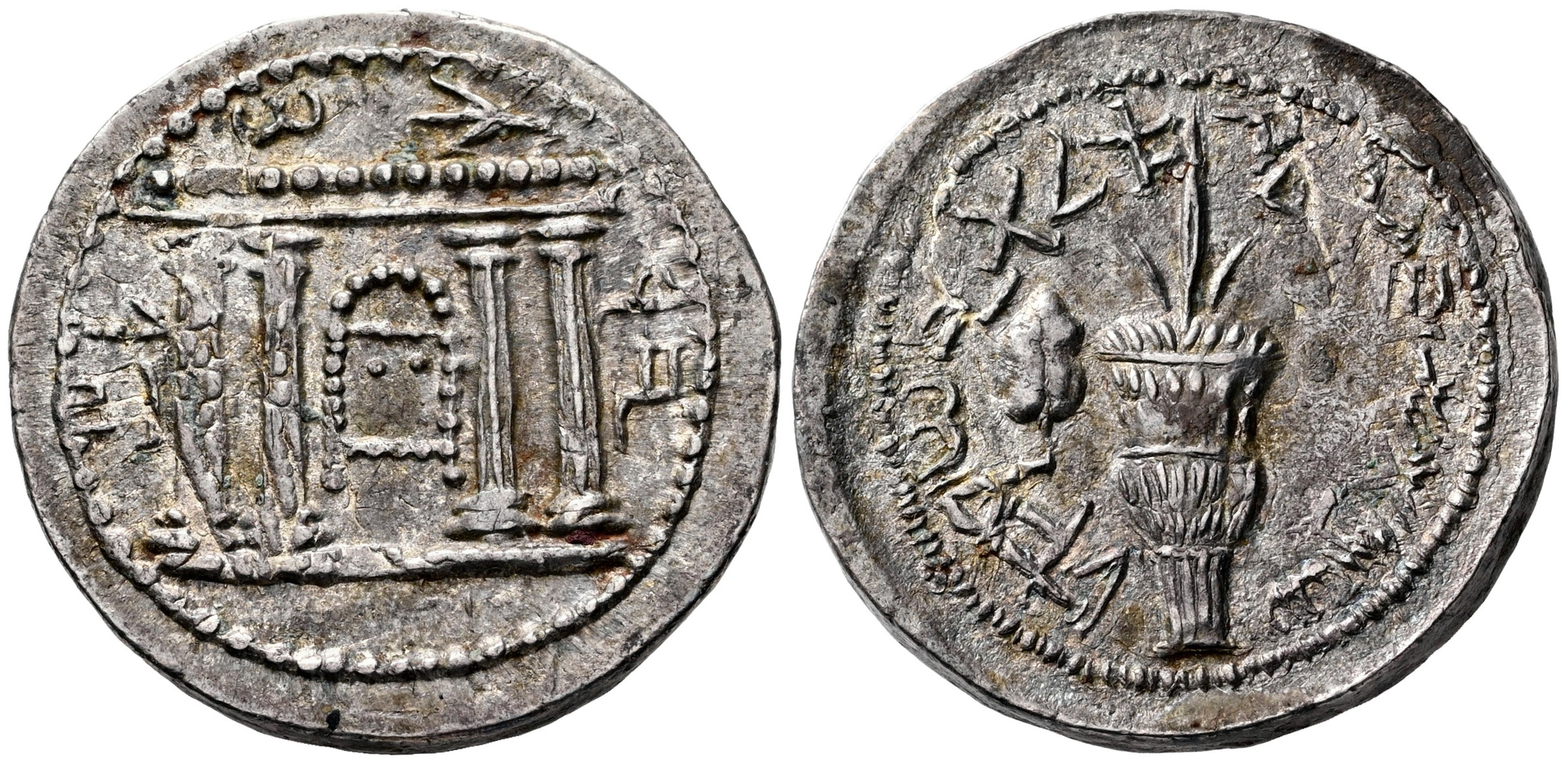
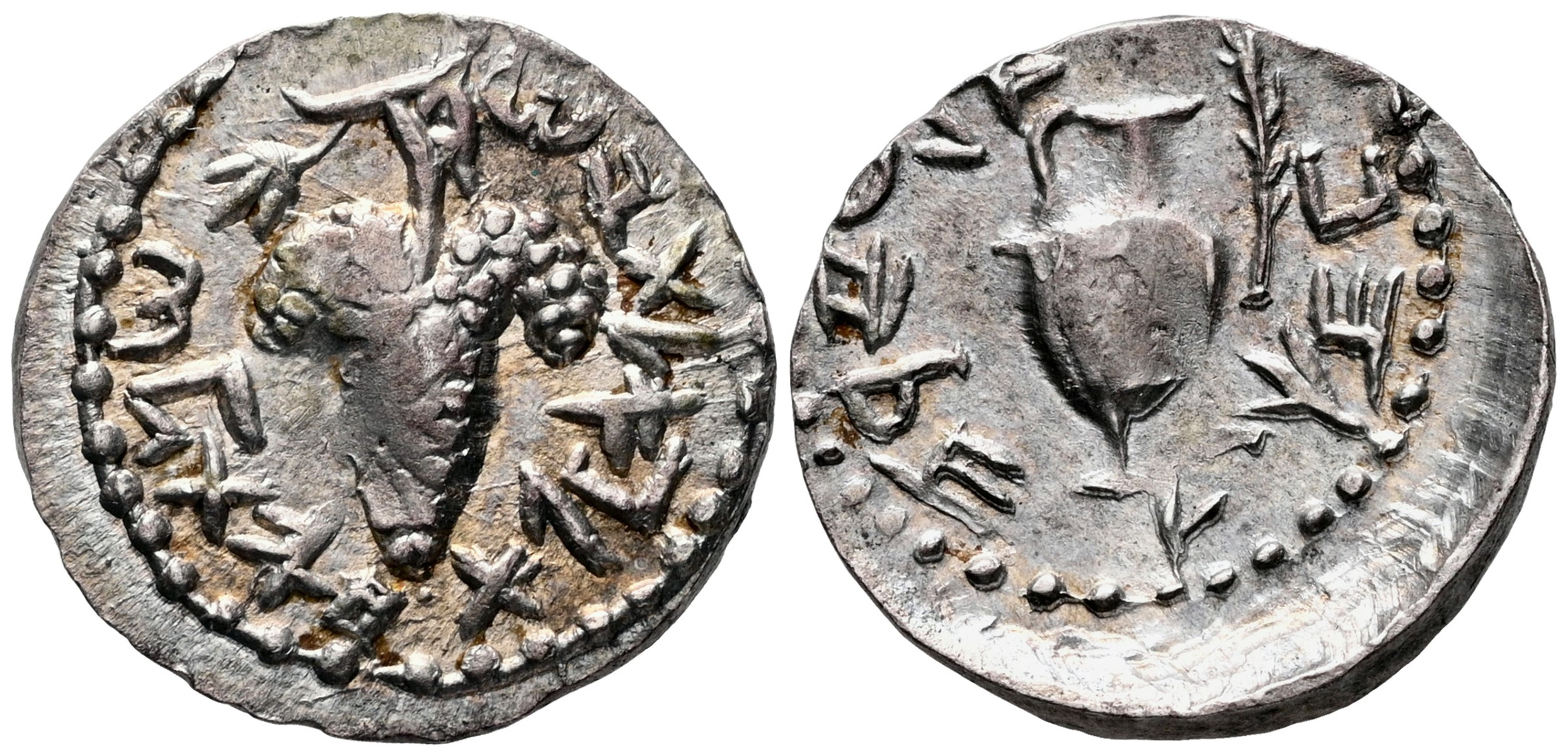
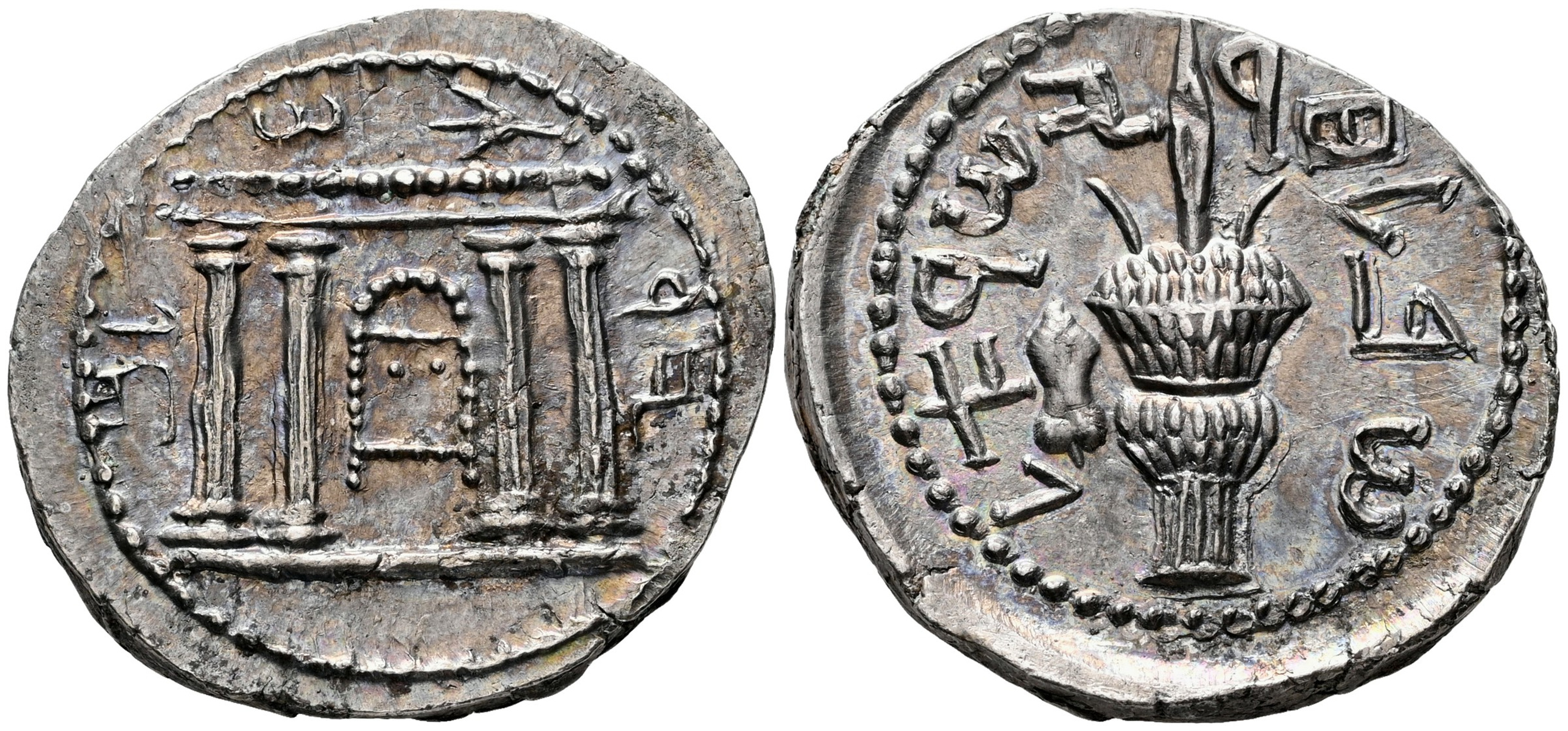
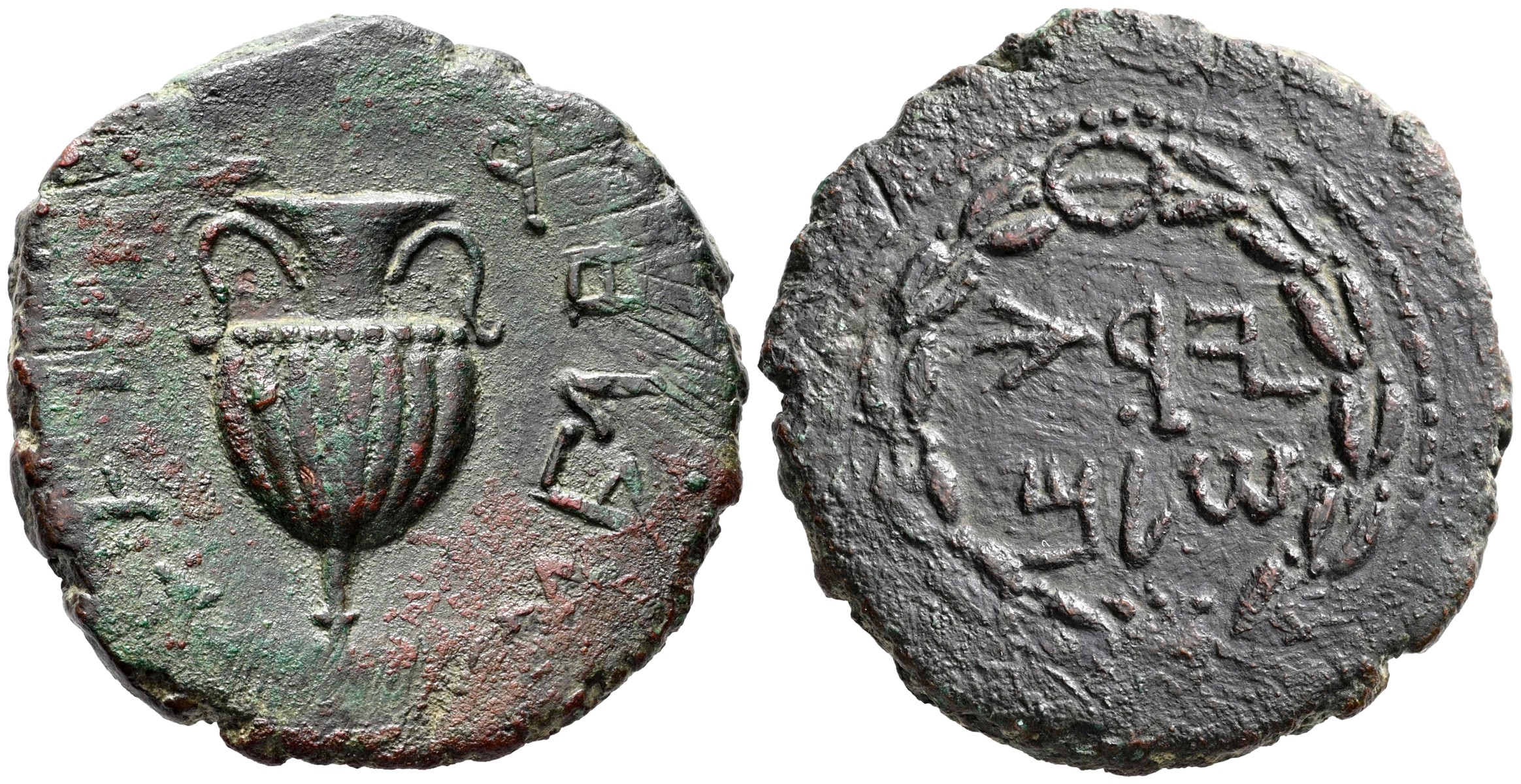
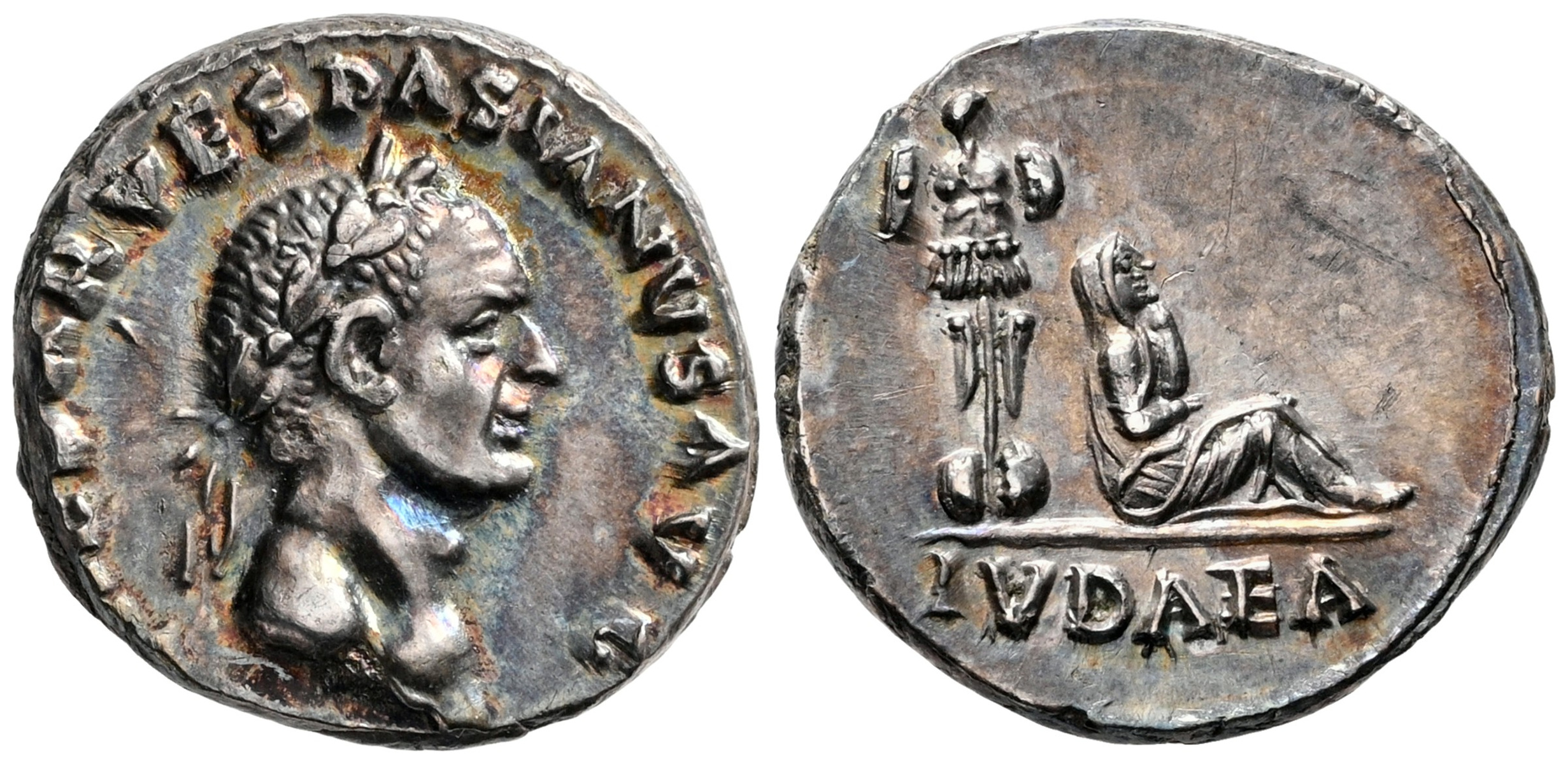
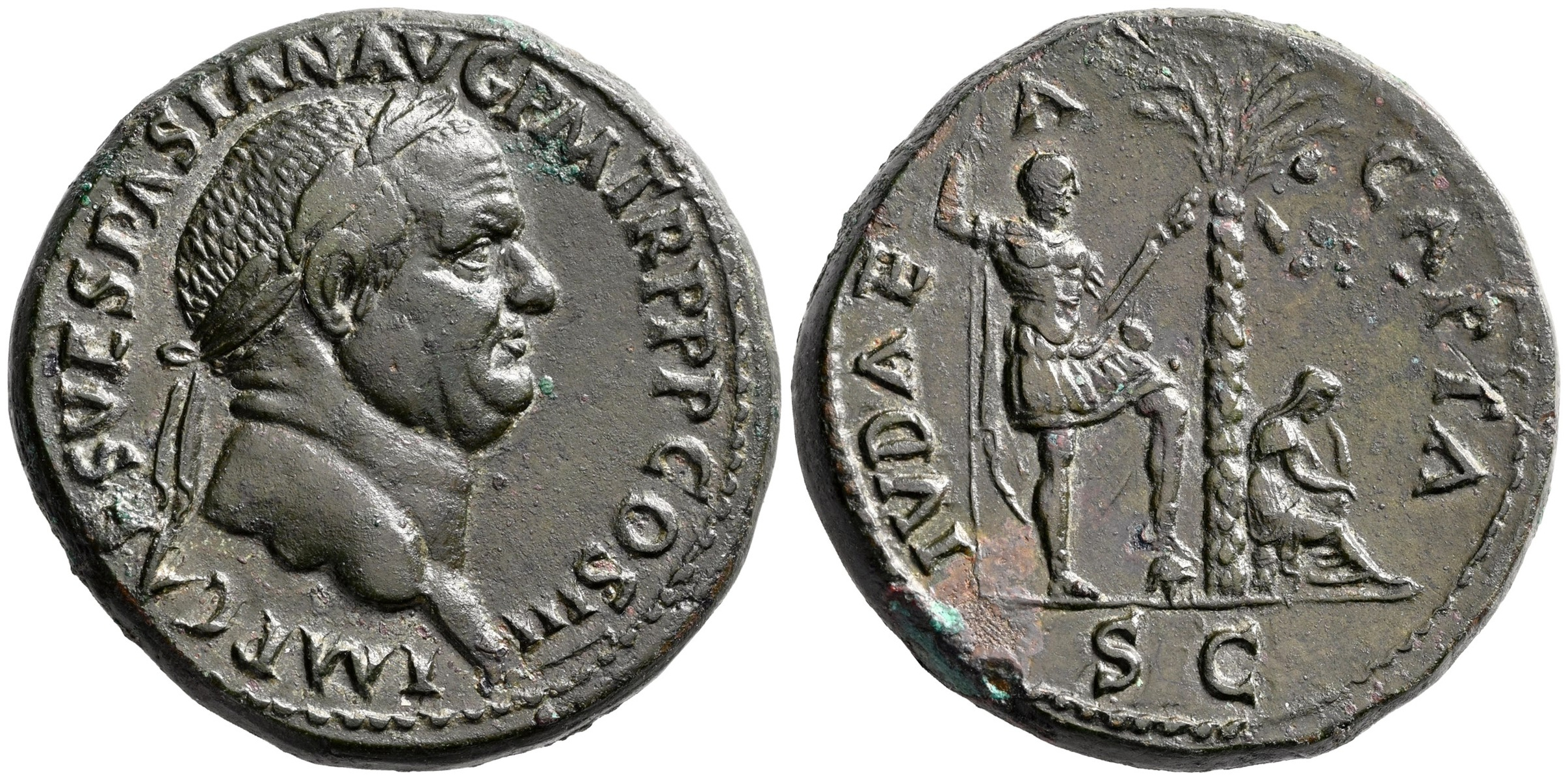
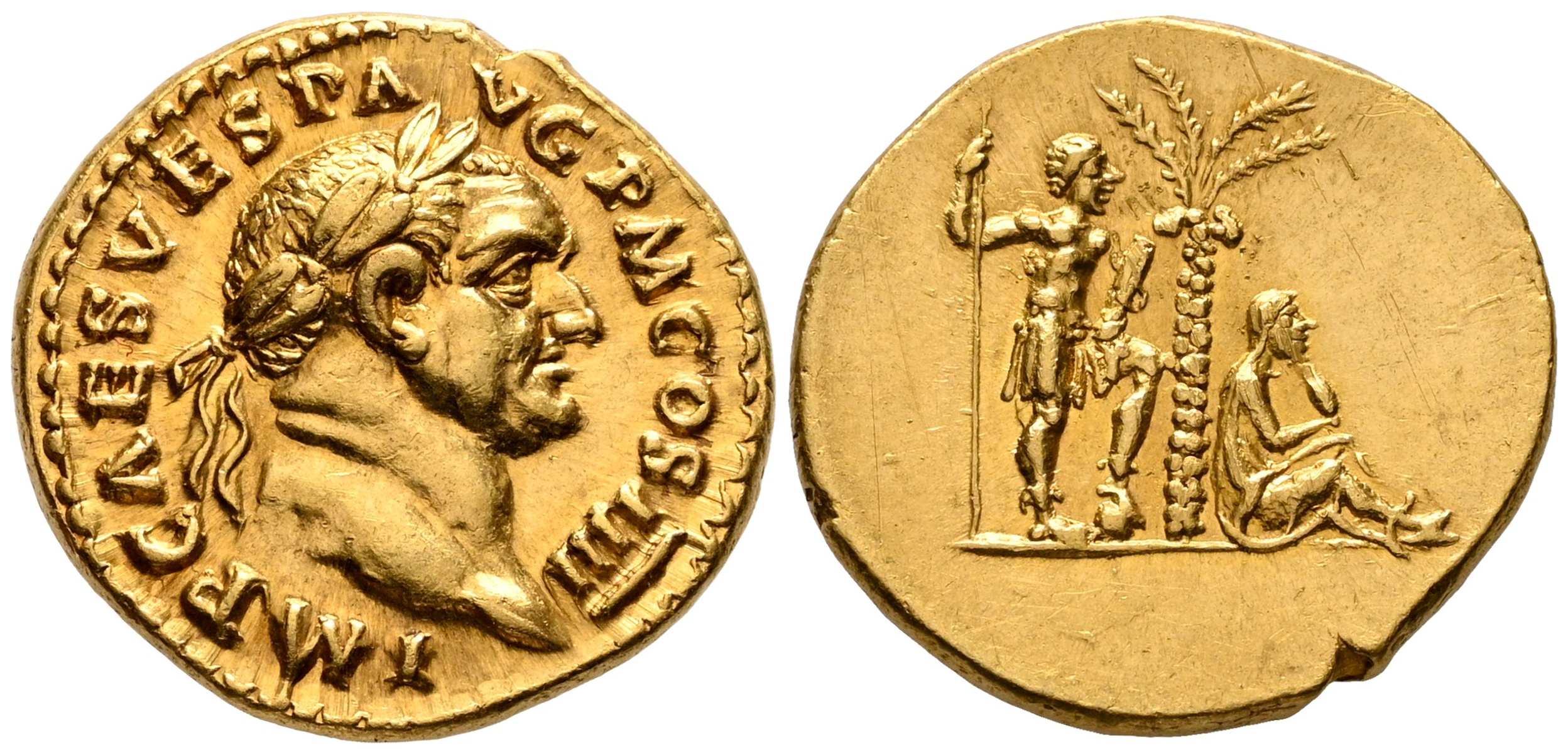
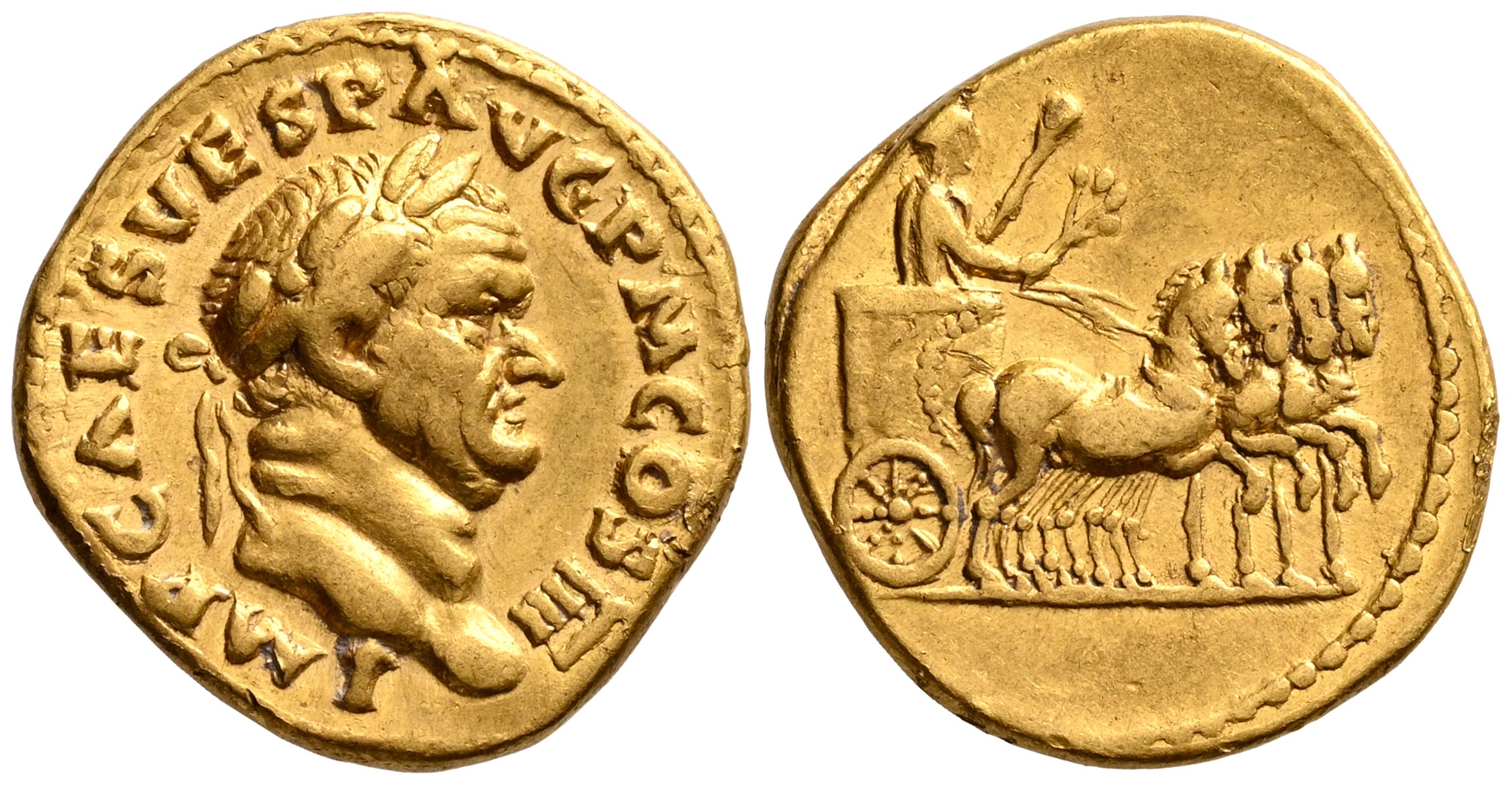
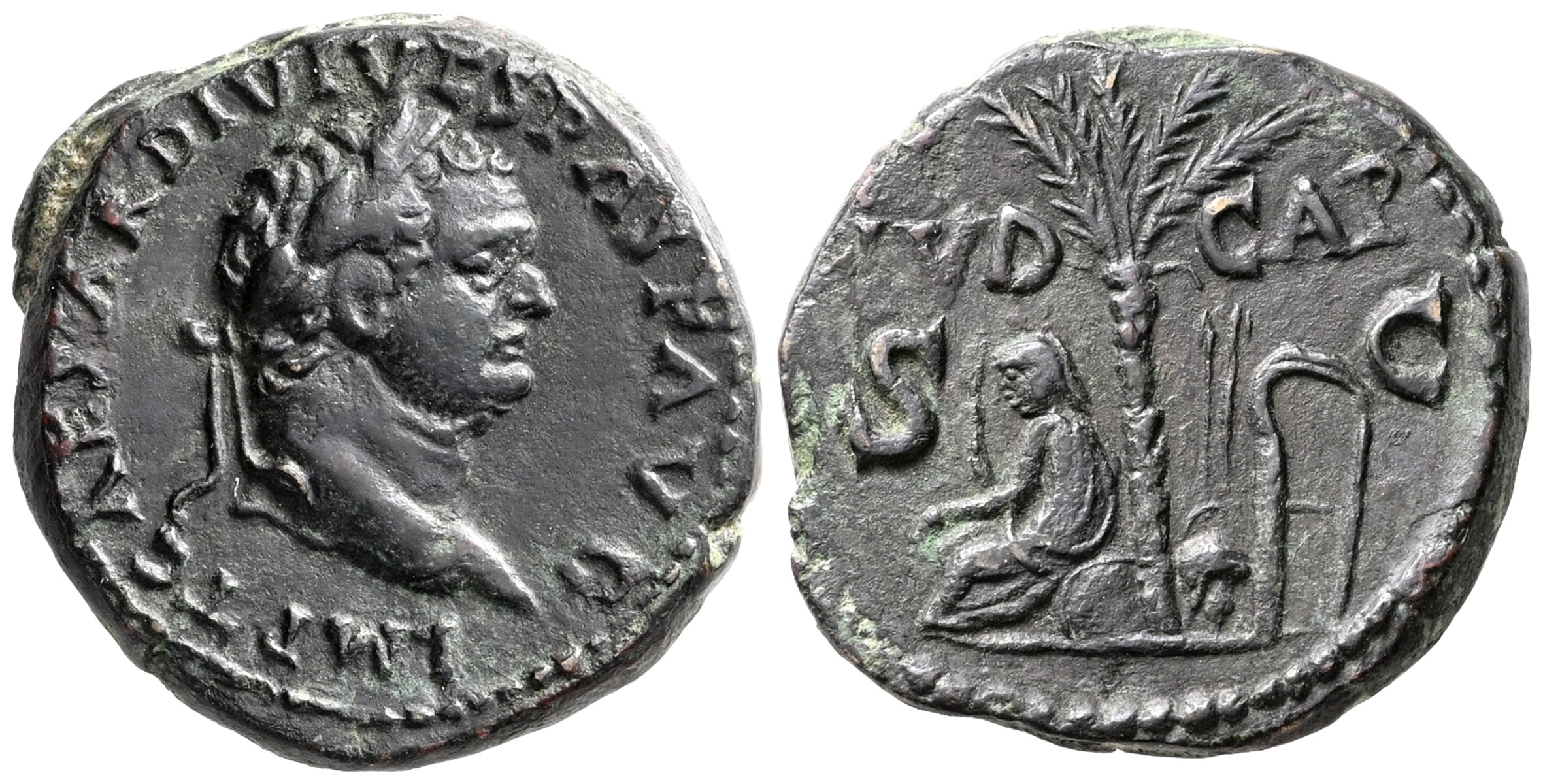
The collection spans more than two and a half millennia of the history of the Holy Land and the Jewish people. It begins with the early coinages of the Philistines and Samaritans and continues through the Hasmoneans, Herod the Great and his dynasty, to the coins of the First Jewish Revolt and the Bar Kokhba Revolt. It also includes the celebrated Roman Judaea Capta issues and numerous Roman provincial coins from the Holy Land.
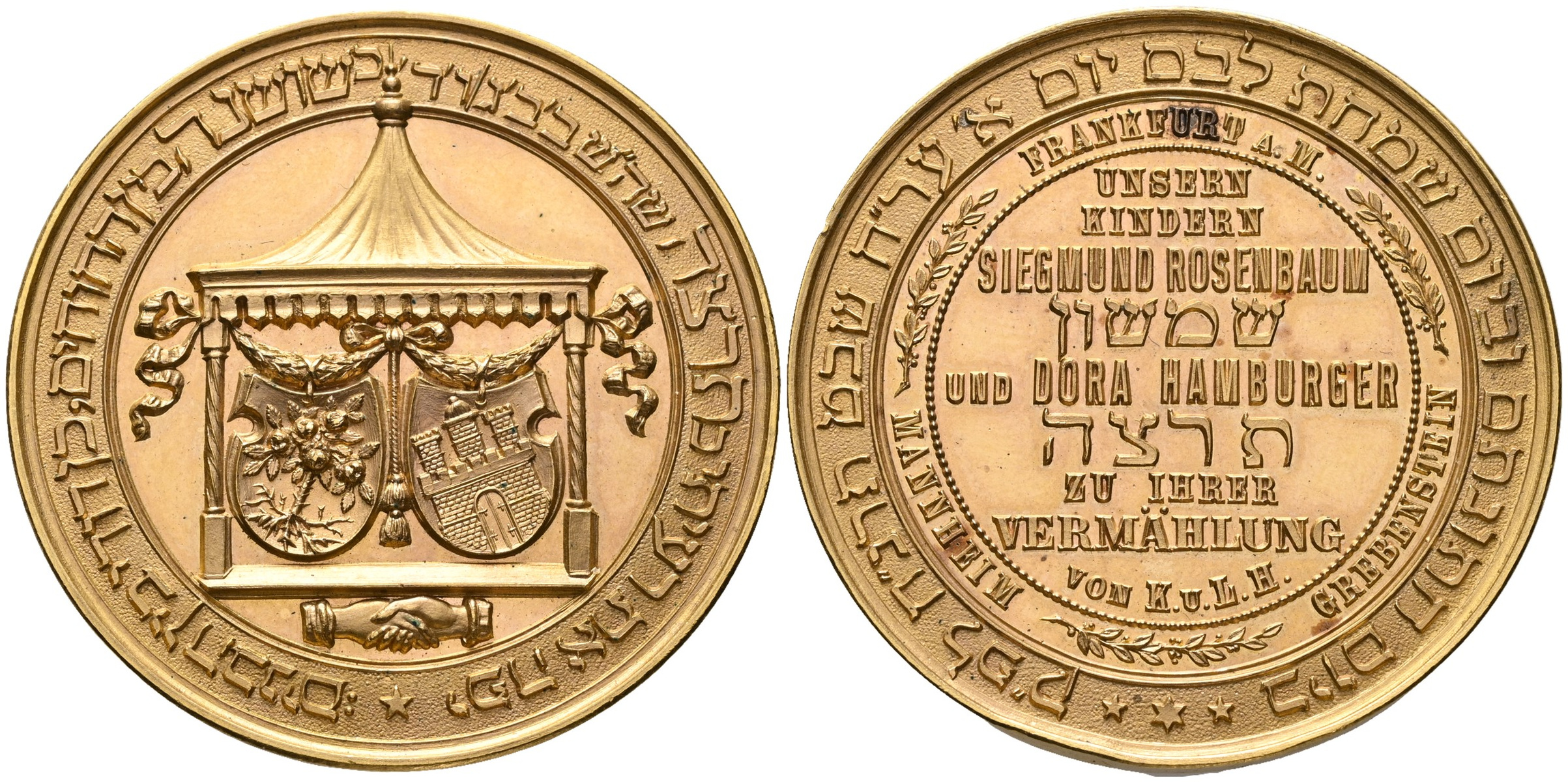
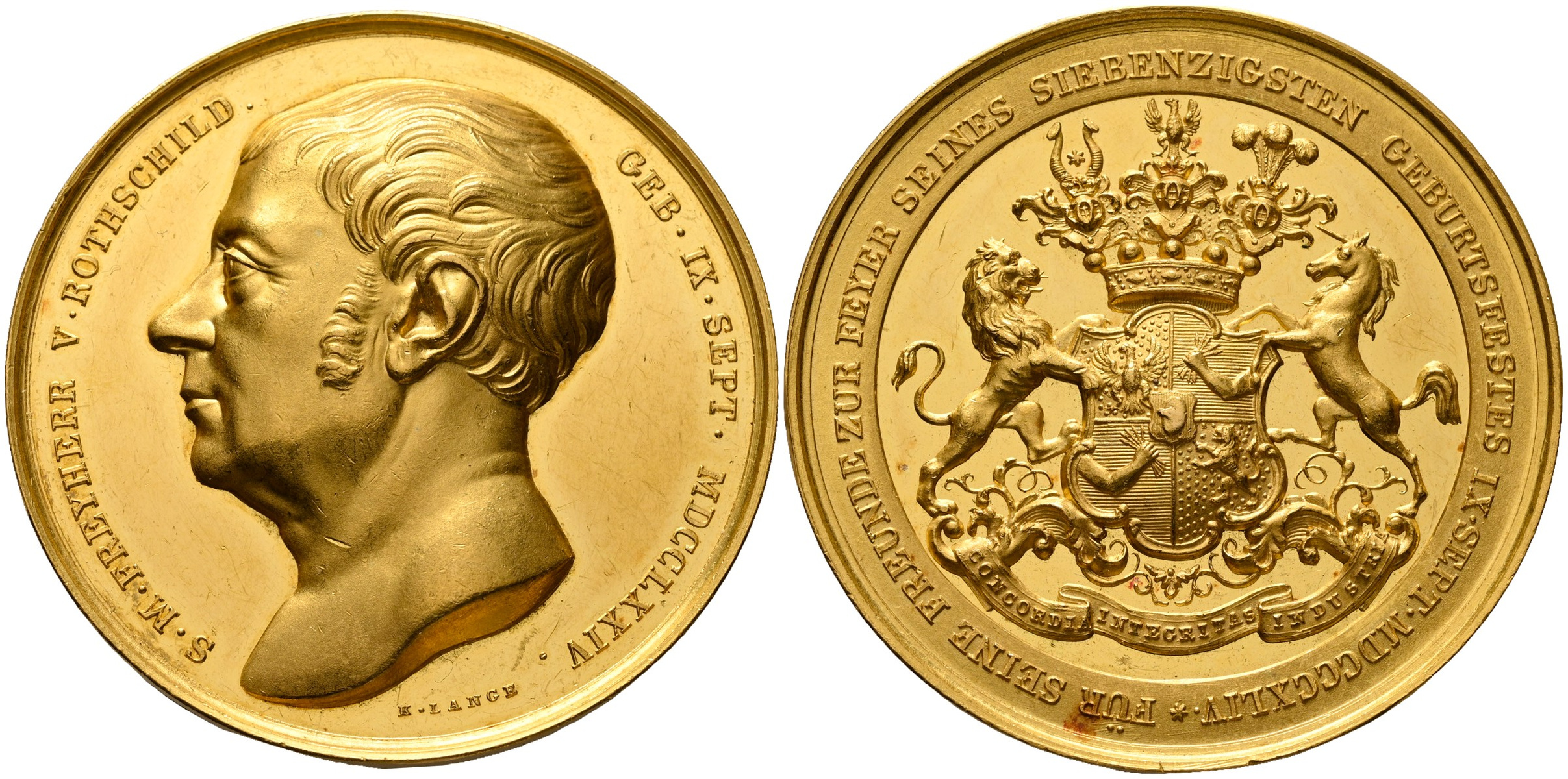
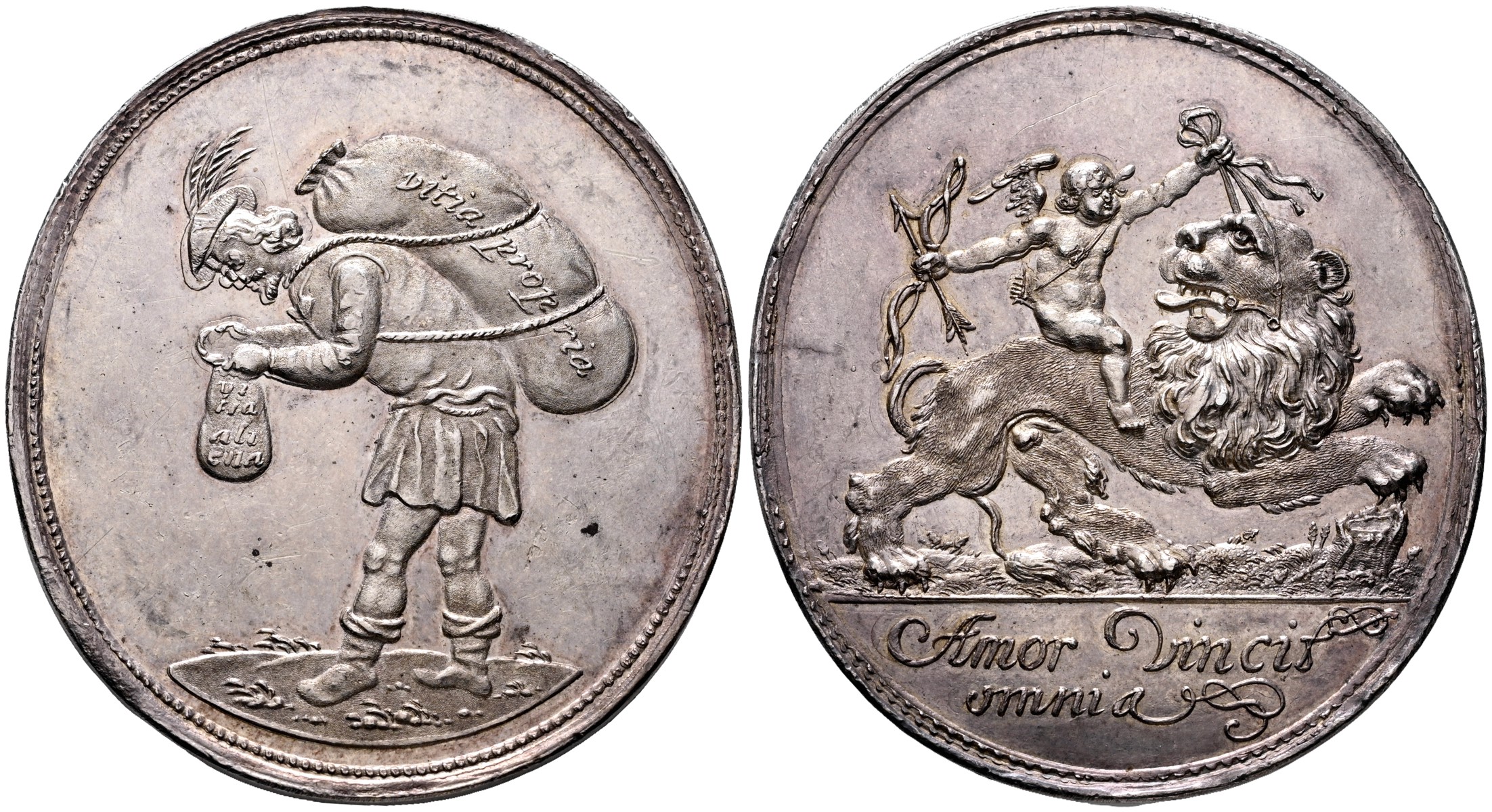
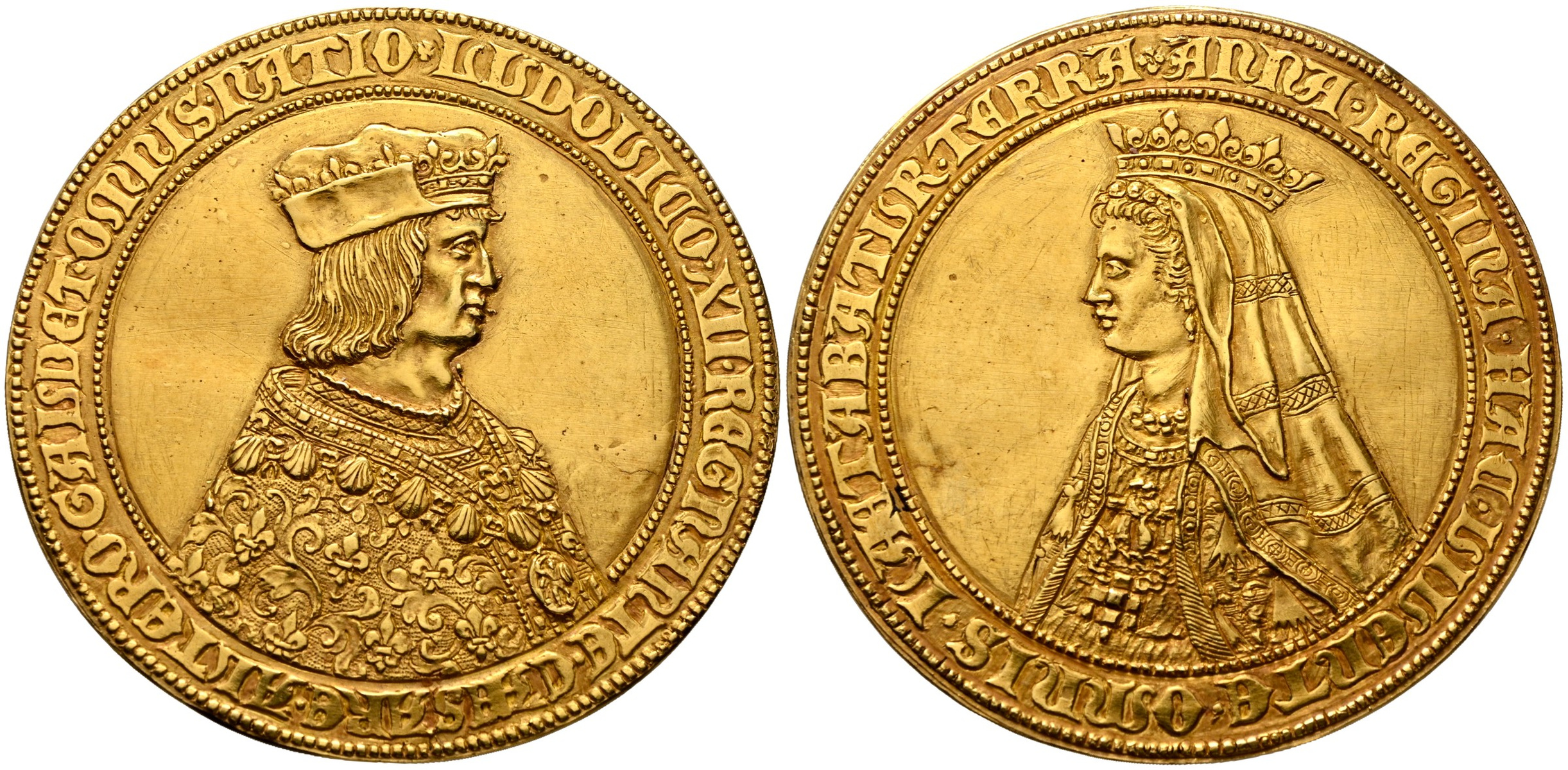
The collection is equally compelling in its account of Jewish life in the modern era: from the Prague ‘Jewish medals’ of the seventeenth century and prominent Jewish families such as the Rothschilds, Montefiores, and Oppenheims, to medals commemorating Jewish emancipation in Europe and historic synagogues. Other areas include material bearing witness to the persecution of Jews, ghetto coinages from the Nazi era, and the coins of the modern State of Israel.
With its scholarly publication, the Leu Judaica Collection will for the first time be documented in its entirety and made permanently accessible to research. In this way, its founder's wish is fulfilled: that the collection be understood not as a private life's work, but as a contribution to the cultural memory of the Jewish people. It is intended to serve as a reference for scholars, inspire collectors, and deepen understanding of the diversity of Jewish history.
The dispersal of this collection does not mark its end. Rather, it opens a new chapter. Its individual objects will pass into the hands of new collectors, museums, and institutions that will continue their stories and preserve this cultural heritage responsibly. The Leu Judaica Collection is not intended as the conclusion of an extraordinary collecting endeavor, but as an expression of a conviction: important witnesses to the past realize their greatest value when they are studied, understood, and passed on responsibly. Its future therefore lies not in remaining intact, but in the people and institutions willing to carry that responsibility forward.
In keeping with the vision of the Leu Judaica Department, a portion of the proceeds will go directly toward scholarly research in Jewish numismatics, future publications, provenance research, and the documentation of other important collections. In this way, every object helps turn history into new knowledge.
Auction 23 | Leu Judaica Collection
November 2, 2026 | Zurich